Beagle Food and Puppy Diet
Beagle food is a scent-hound problem: an appetite that does not self-limit, Beagle puppy food while they grow, then measured adult meals — not a grazing bowl — with training treats counted in the daily budget. This page is shopping and feeding context, not a veterinary plan.
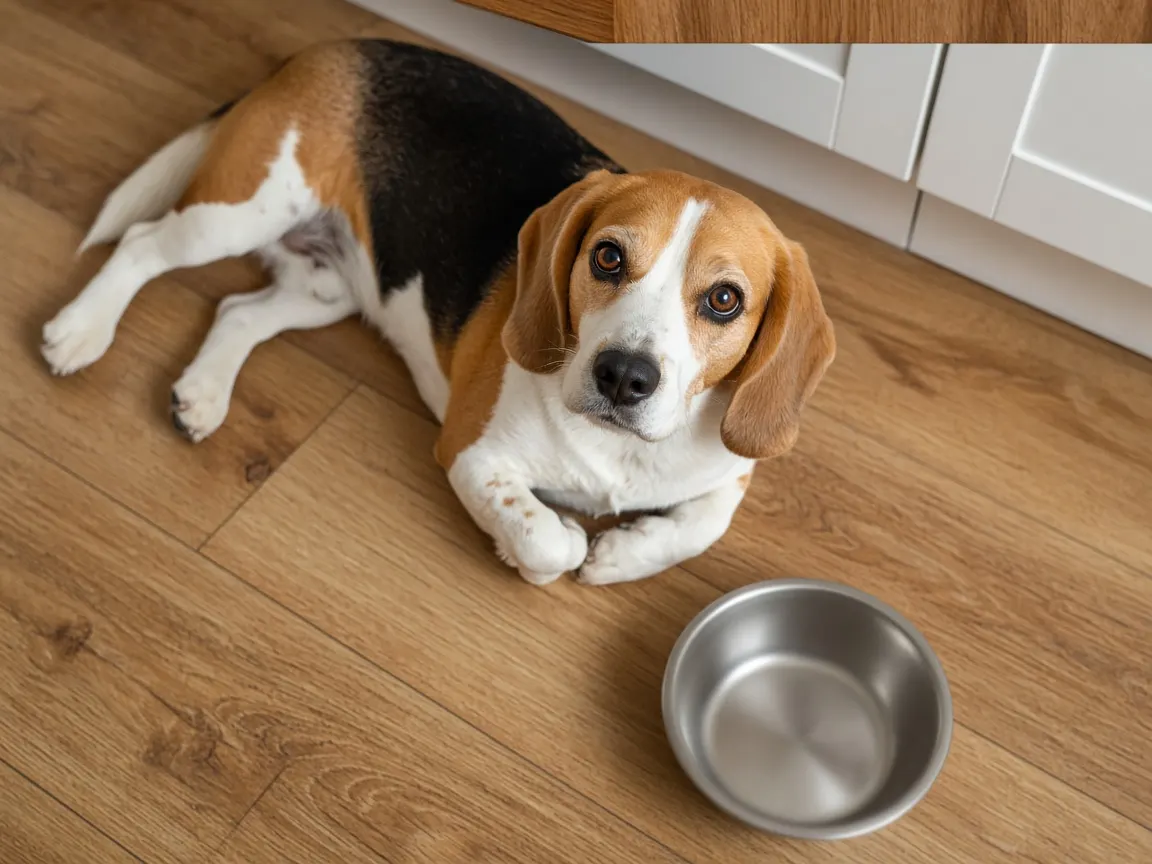
Beagle feeding at a glance
Size
Two AKC varieties; PetMD says adults should stay under 30 lb
Food drive
Will overeat if the bowl stays down
Puppy food
Beagle puppy food; more frequent meals than adults
Meals
2–3 measured meals as an adult; no free-feeding
Treats
Count training treats in the daily calorie budget
Adult food
Complete maintenance; weight-management if needed
Dietary facts
- Breed type
- Scent hound in two AKC sizes: under 20 lb when 13 inches and under, or about 20–30 lb when 13–15 inches. PetMD treats Beagles as a medium dog whose adult weight should not exceed 30 pounds. Body condition matters more than the show number.
- Appetite and scent
- PetMD: most Beagles have an insatiable appetite and a very strong sense of smell. If allowed, they overeat and hunt down any food in reach. That is the breed feeding problem — not a short muzzle and not giant-breed skeletal growth. Keep food secured and do not free-feed.
- Calories and body condition
- Obesity is common even though the breed is energetic. AKC says watch calorie intake and treats; too many training rewards cause weight gain. PetMD says a veterinarian can set a lower-calorie plan if the dog is already overweight. Measure kibble, count treats, and keep a lean waist you can see from above.
- Meal pattern
- PetMD: measured meals at regular times, usually two to three times a day for adults. Do not leave food down to graze. Puppies need more frequent meals (up to four) so they do not go too long without food. A consistent schedule beats an always-full bowl on a food-obsessed hound.
- How long to feed puppy food
- Use a complete puppy formula until the veterinarian agrees the dog is ready for adult food — often around a year for this size, not the 18-month giant-breed window. PetMD stresses life-stage food (puppy, then adult). Do not put a growing puppy on a restrictive weight-loss diet without veterinary guidance.
- Treats and training
- AKC notes treats help training but too many cause obesity. Beagles work for food, so the shopping implication is a measured daily ration: kibble plus training bits in one calorie budget, not an open treat jar on top of full meals.
- Adult food
- After the puppy window, feed a complete adult formula and keep the dog lean with exercise. If weight is climbing, compare weight-management foods by cost per pound and confirm calories with a veterinarian rather than guessing from the bag.
- Fresh or subscription food
- Only if the plan is complete and balanced and the daily calories fit a dog that will eat whatever is put down. Fresh food does not switch off food drive. Puppy plans still need a growth formulation until a veterinarian agrees adult food is appropriate.
- Vitamins
- Routine supplementation generally isn't recommended when feeding a complete and balanced diet. Additional vitamins or 'metabolism' powders should be discussed with a veterinarian.
What this means when you shop
Start with Beagle puppy food or a complete adult formula and compare by cost per pound. The Beagle-specific filter is portion control, not large-breed mineral control and not a brachycephalic kibble shape. Use the weight-management compare when the veterinarian wants fewer calories. A slow feeder or puzzle feeder belongs next to the 'will inhale the bowl' fact.
Shop from these facts
- Compare puppy food
Beagle puppy food for dogs still growing. Ranked by Amazon cost per pound — not large-breed growth food.
- Compare adult food by $/lb
Complete adult formulas when the dog is at a lean weight. Same unit-price compare.
- Compare weight-management food
When a food-motivated hound has packed on pounds. Confirm calories with a veterinarian.
- Slow feeder bowls on Amazon
For dogs that inhale the bowl. Slows eating; does not turn off food drive.
Common questions
What is the best dog food for a Beagle?
There isn’t one winning bag. The best Beagle food is a complete life-stage formula in measured meals — Beagle puppy food until a veterinarian agrees adult food is due, then a lean adult or weight-management food. Compare those listings by cost per pound and count treats in the daily budget.
What should a Beagle eat?
A complete, life-stage-appropriate food in measured portions. Puppies need puppy food. Adults need a maintenance food, or a weight-management food if the veterinarian agrees the dog is overweight. Compare those listings by cost per pound, then measure what actually goes in the bowl — including treats.
Why is my Beagle always hungry?
PetMD describes an insatiable appetite plus a nose that finds every crumb. Hunger signals are a poor portion guide in this breed. Measure meals, keep other food out of reach, and ask your veterinarian before cutting calories on a puppy.
Should I free-feed a Beagle?
PetMD does not recommend it. A grazing bowl is how a scent hound overeats. Use two or three measured meals for adults, and more frequent meals for puppies.
How long should a Beagle stay on puppy food?
Until your veterinarian agrees adult food is appropriate — often around a year for this size, not 18 months. Keep a complete puppy formula during growth. Do not start a weight-loss diet on a growing puppy unless a veterinarian directs it.
How do treats fit a Beagle diet?
AKC: treats help training, but too many cause obesity. Put treats inside the daily calorie budget, not on top of full meals. That is a measuring problem, not a brand problem.
Is fresh subscription food good for a Beagle?
It can be for an adult if the recipe is complete and balanced and the calories are set for a dog that will finish every bowl. It does not reduce food drive. Puppy plans still need a growth diet.